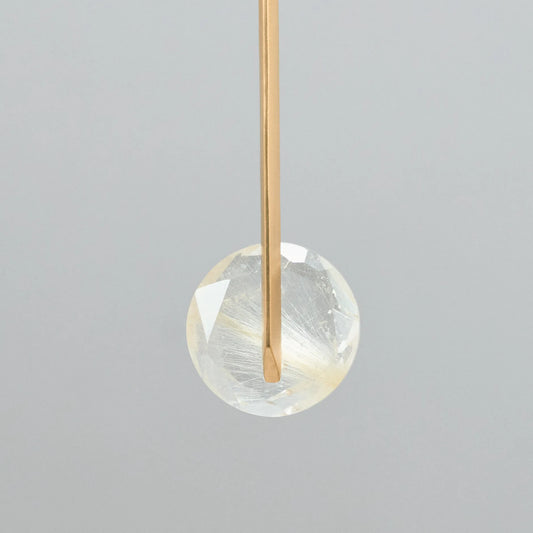
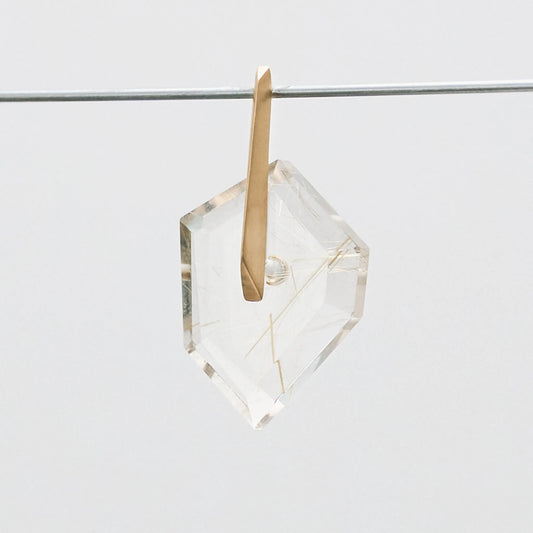
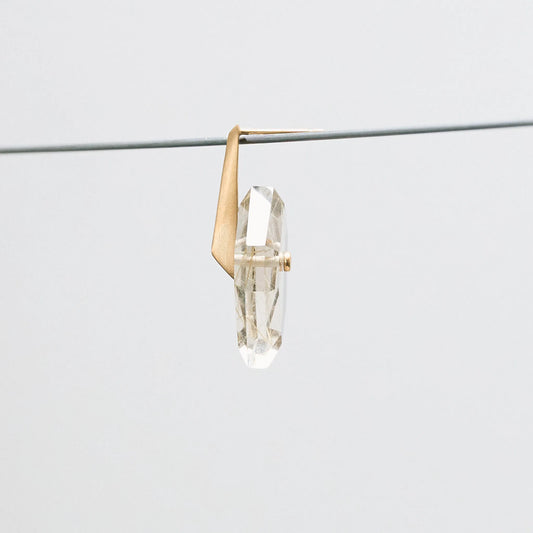
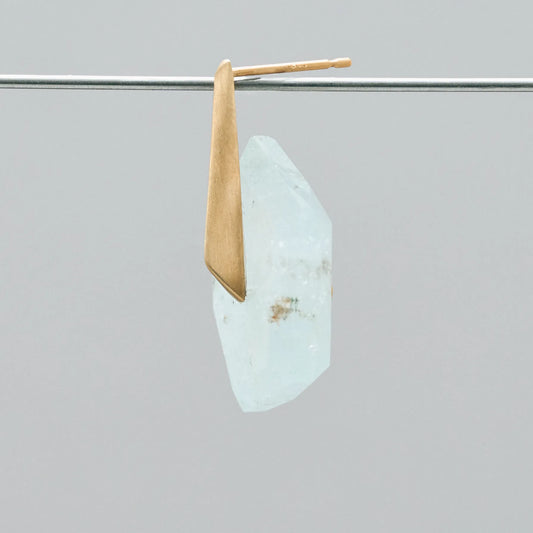
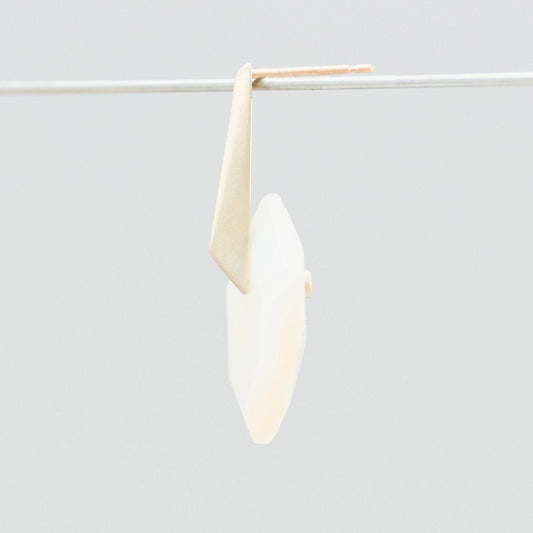
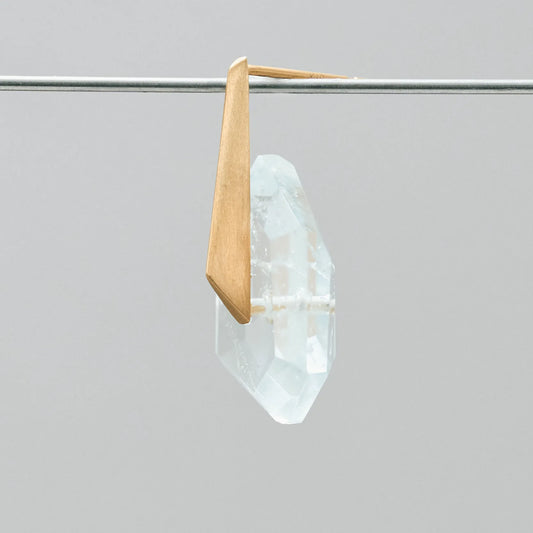
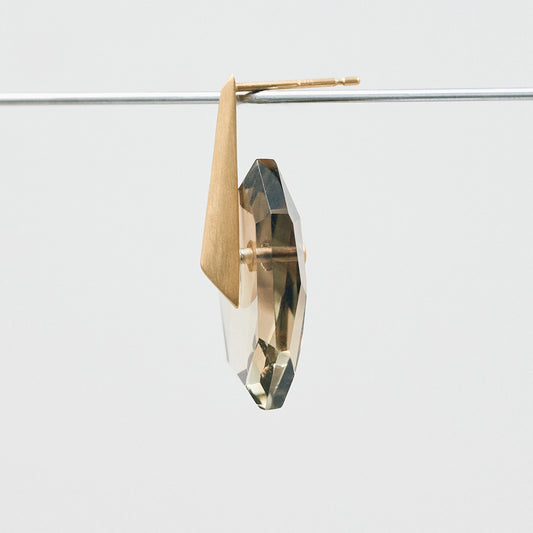
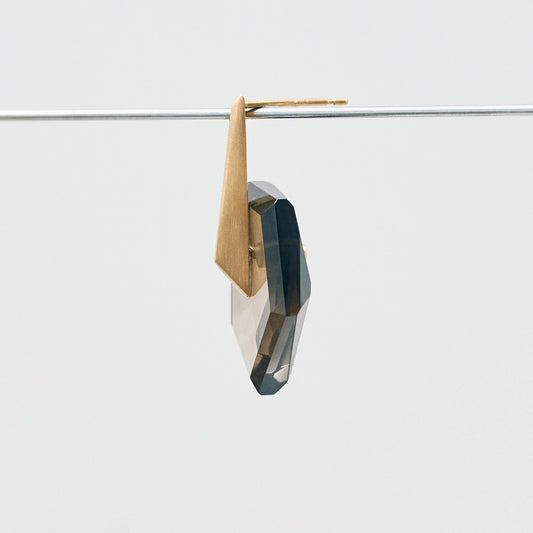
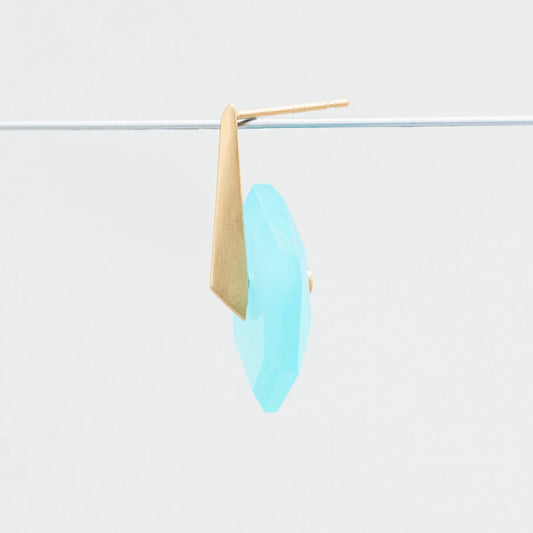
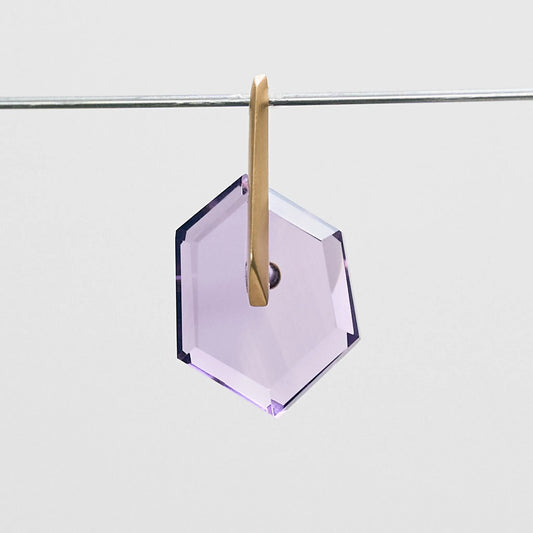
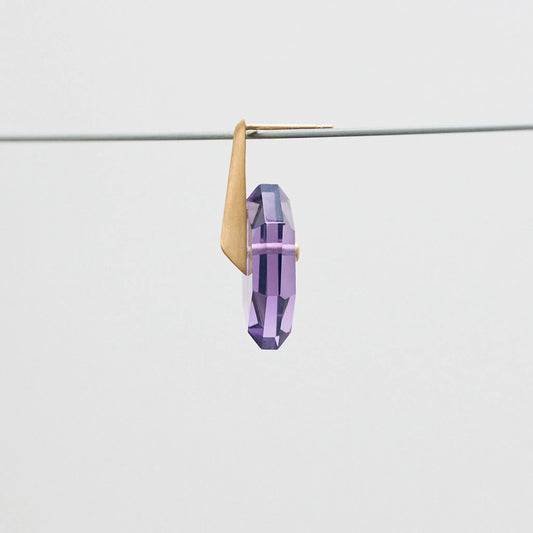
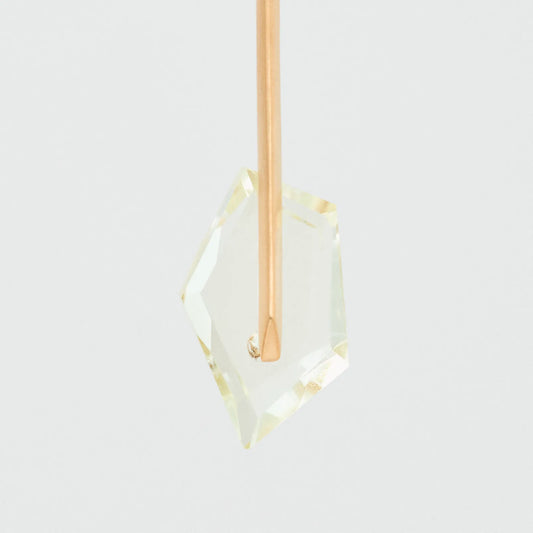
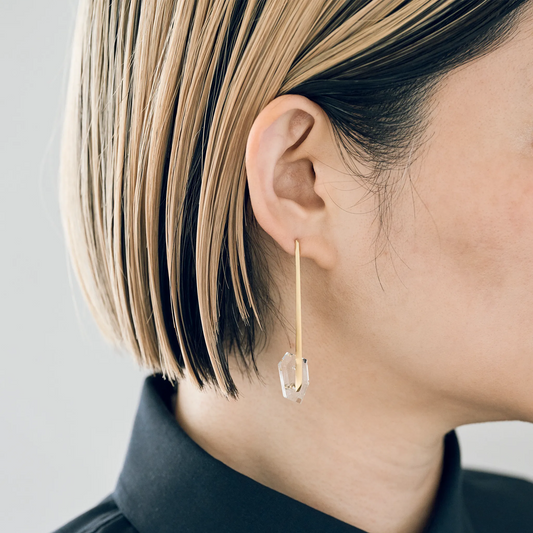
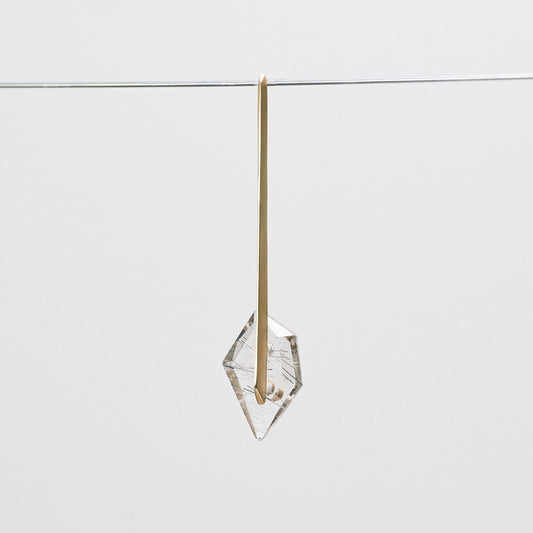
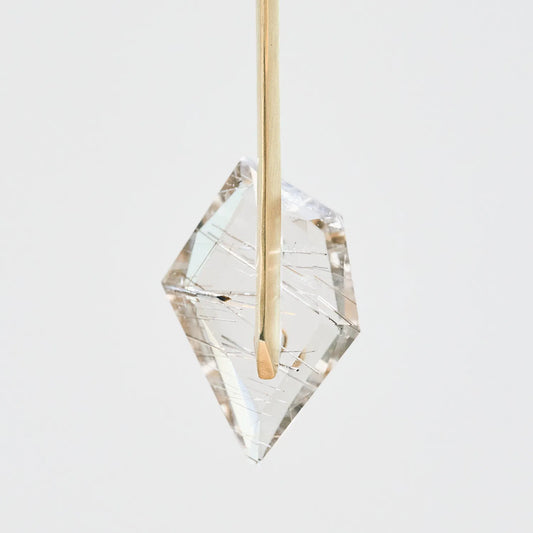
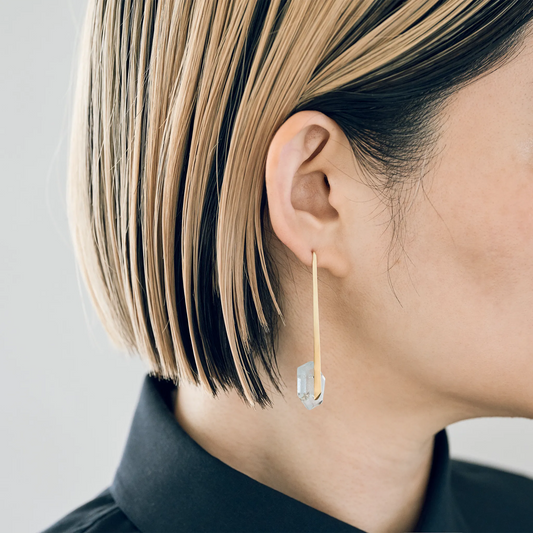
When I look at natural stones, I always lose track of time. In what layers of time was this crystal formed? The more I dwell on it, the farther its origin drifts from our brief sense of time.
But even a beautiful crystal is not a gemstone as it is. What nature creates is still only a “material.” It is only when human hands are added that its beauty begins to take shape.
Stone selection determines 80%

Especially important are the cutting and polishing steps. The artisan responsible for the cutting and polishing of the natural stones used in the collection reportedly spends 30 minutes, and sometimes more than an hour, observing a single stone.

Turning the stone, tilting it, holding it up to the light, and searching for the patterns and streams of color hidden within. They determine which position to cut from in order to bring out the stone’s unique expression as fully as possible.
There is no predetermined “correct shape” inside a stone. Depending on which face is treated as the front and which patterns are emphasized, its appearance changes dramatically.
This process is called “stone selection,” and it is such an important step that some artisans say “80% is decided here.”
The slight space in between

We put into words the image we want to bring out and communicate it to the artisan. But how that idea is translated into form is left to the artisan.
We don’t define everything ourselves, and we don’t leave everything entirely to the artisan either. The slight space in between ultimately creates a finish that goes just a little beyond what we imagined.
Subtle variations brought by traditional techniques

The traditional technique passed down since the Edo period is called “hand rubbing.” The stone is pressed against a rotating polishing wheel, and the shape is refined while adjusting pressure and angle in tiny increments, relying only on the sensitivity of the fingertips.
Rather than creating mechanically uniform surfaces, the stone is finished while retaining subtle variations. Those variations give the stone depth and character.
The hands of an artisan with more than 60 years in the craft have, as if adapted to the act of polishing, slightly thickened fingertips, and the nails are constantly kept short because they wear down during the polishing process. The shapes born from those hands are never uniform. Rather, they contain slight differences.

Something too perfectly finished loses room for interpretation somewhere along the way. With a little variation, there remains space for the wearer to receive it. We want to deliver this “expression of the stone” as intact as possible.
Bringing out the stone’s expression to the fullest

To deliver the “expression of the stone” as it is, we need to go beyond cutting and polishing and address even the structural question of how the stone is supported as jewelry.
If you try to showcase the stone’s expression to the fullest, conventional settings inevitably create limitations. Surround it with a frame, and its outline is restricted; add more prongs, and the presence of the metal becomes more pronounced, whether you want it or not.
How should these constraints be handled?
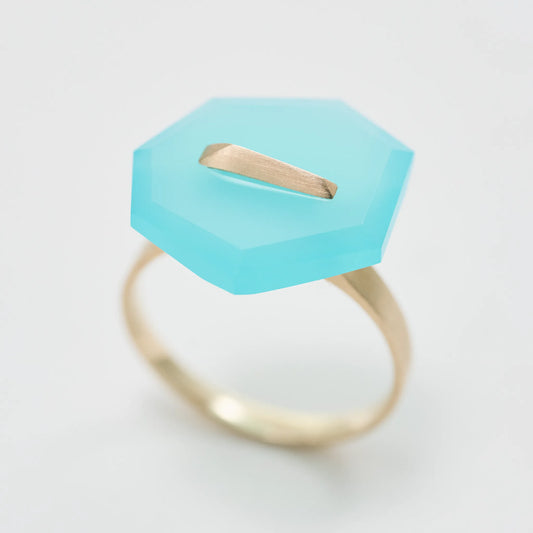
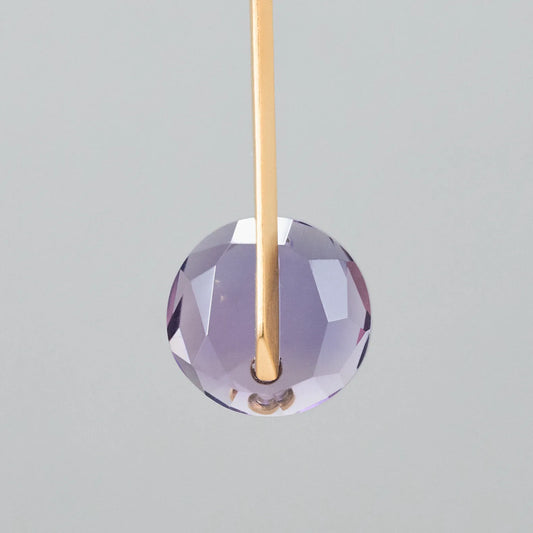
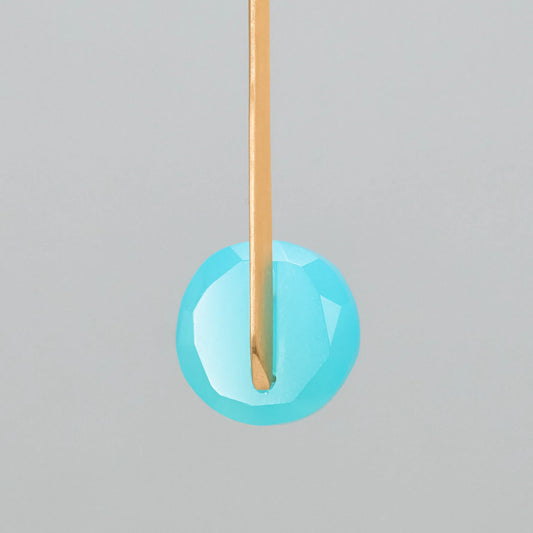
The answer became two collections: “Staple” and “Node.”

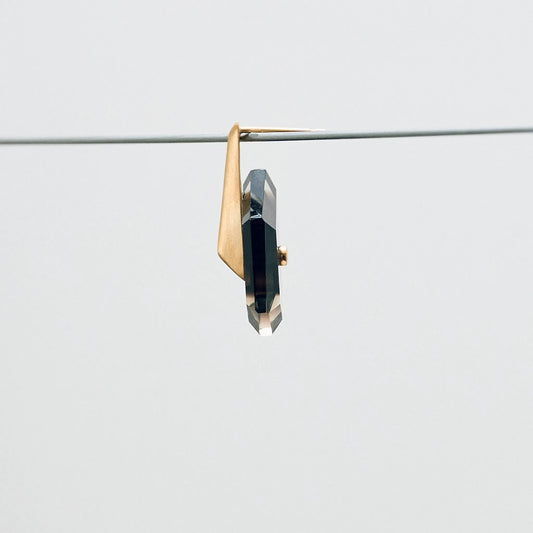
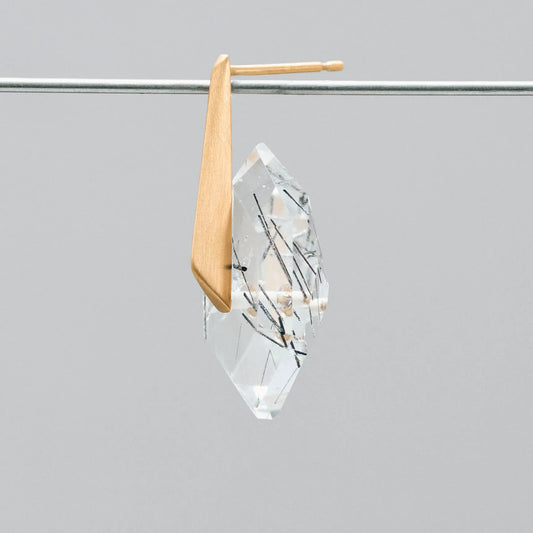
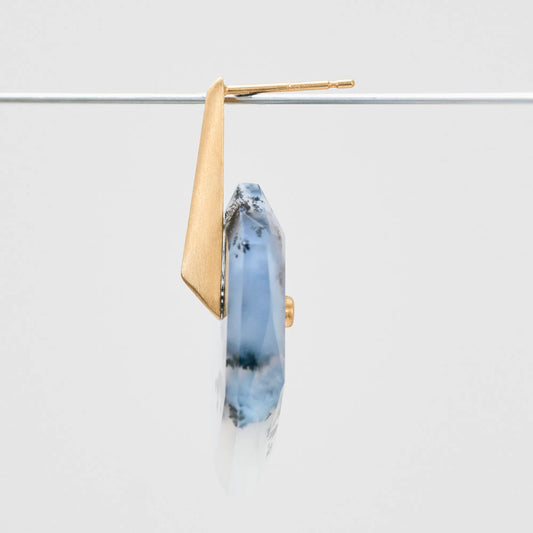
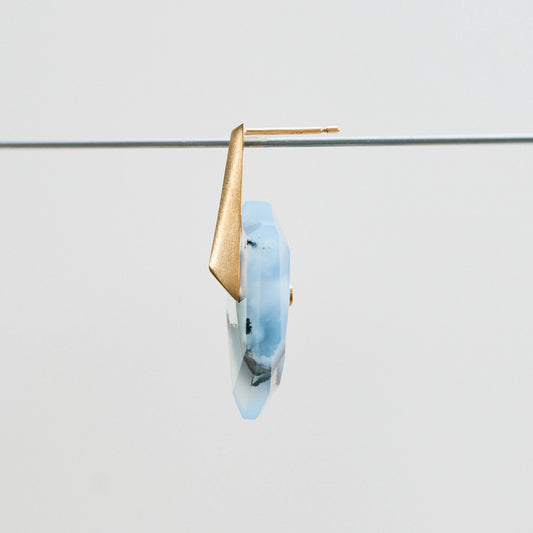
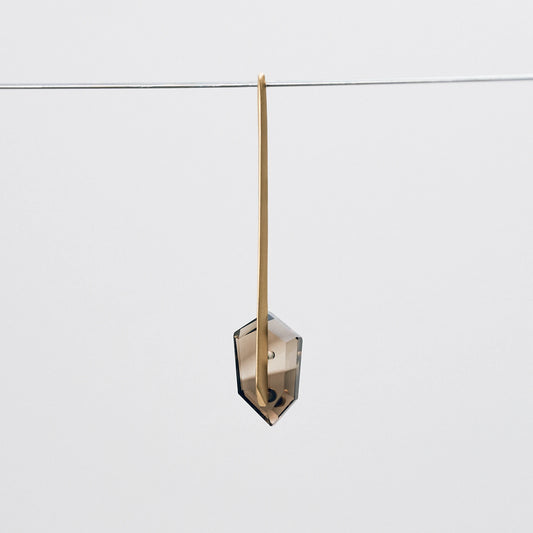
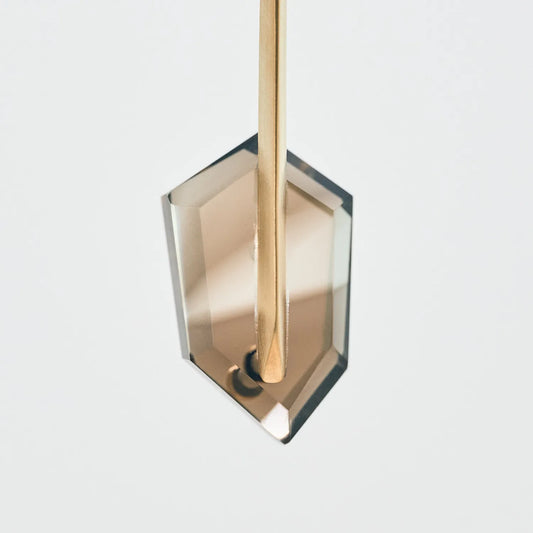
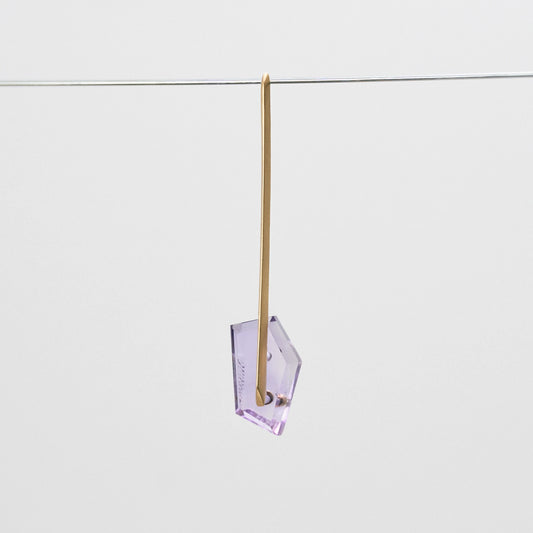
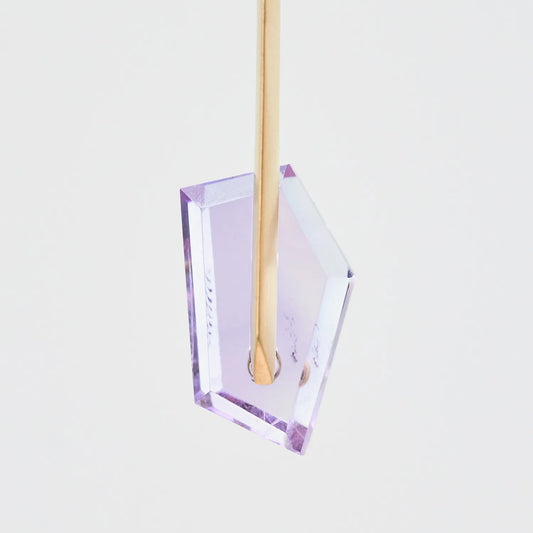
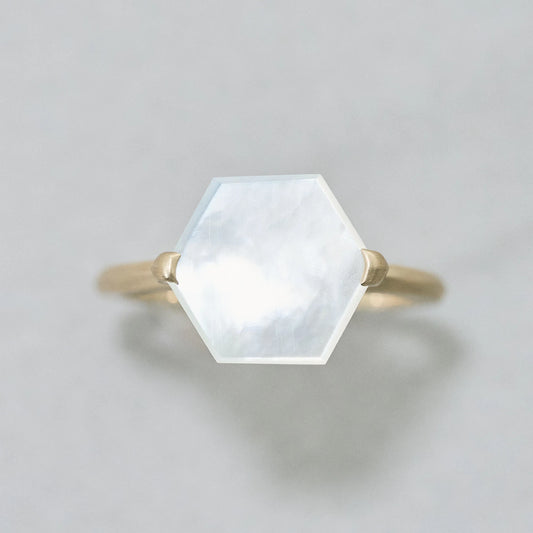
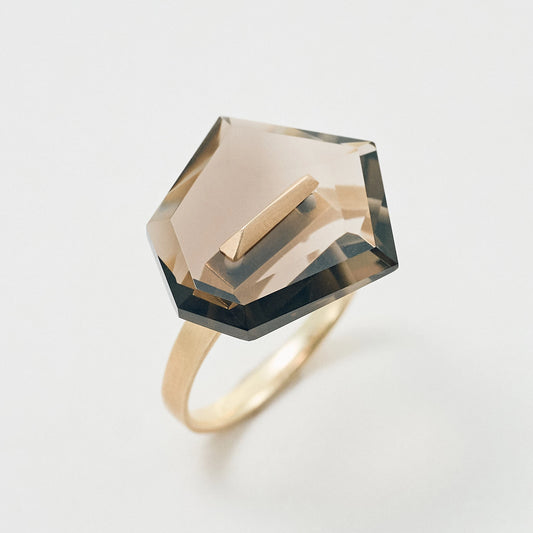
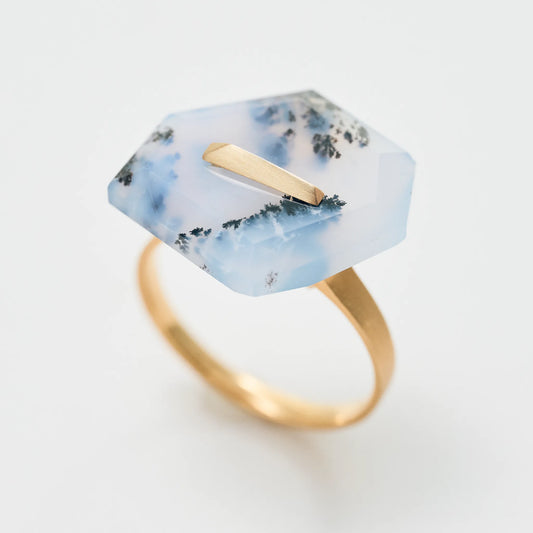
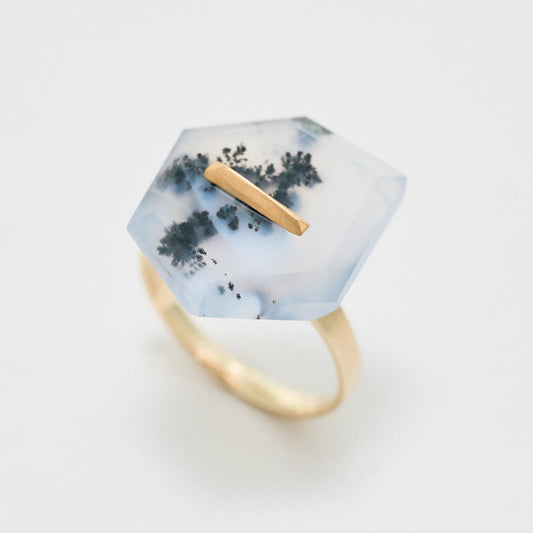
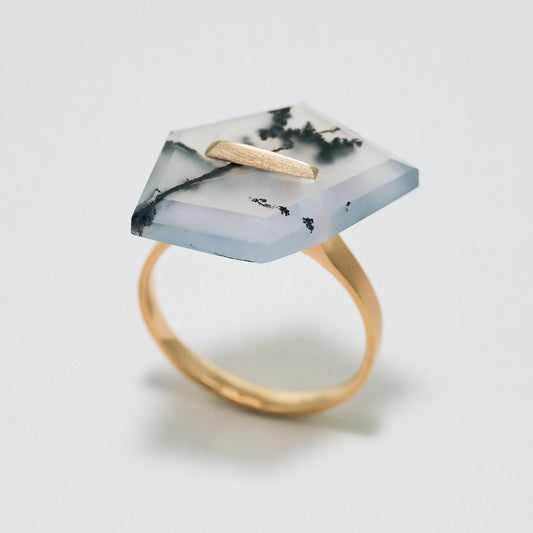
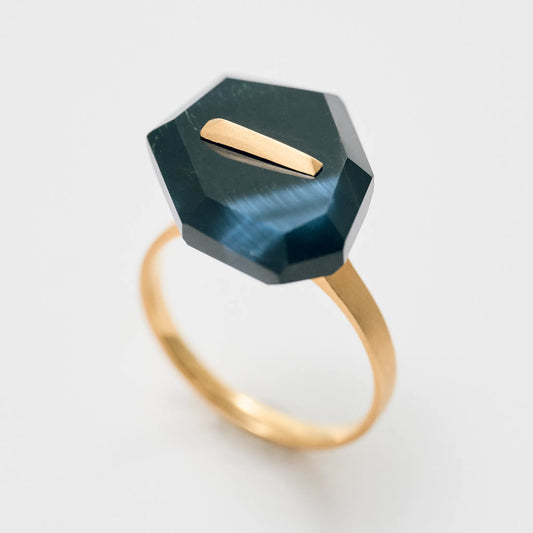
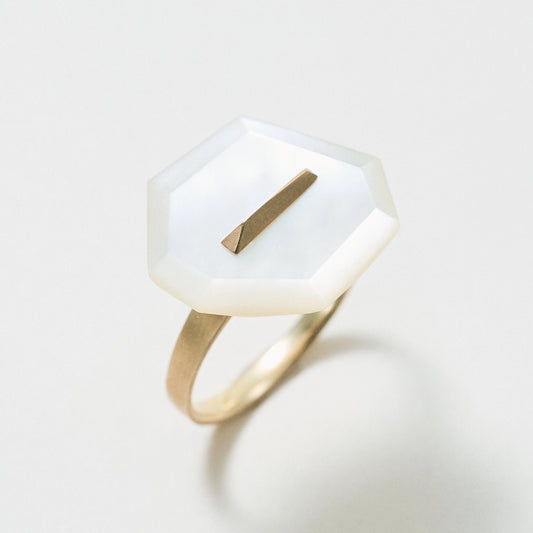
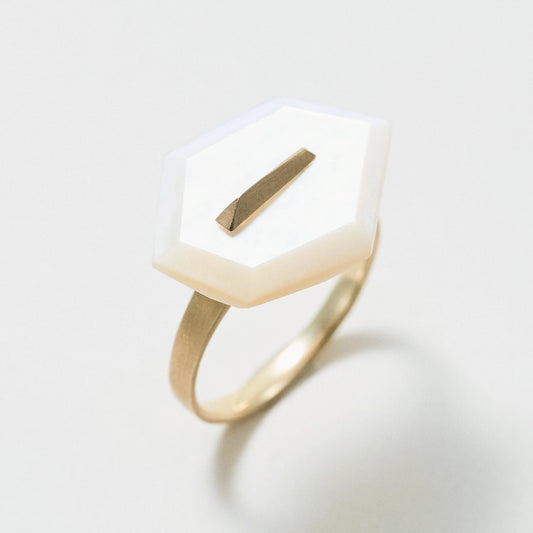
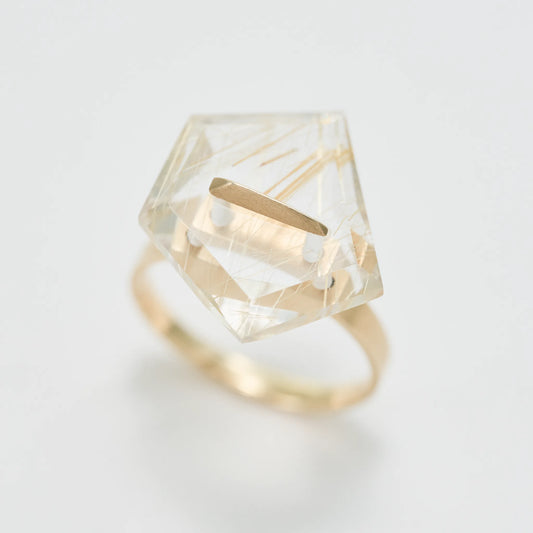
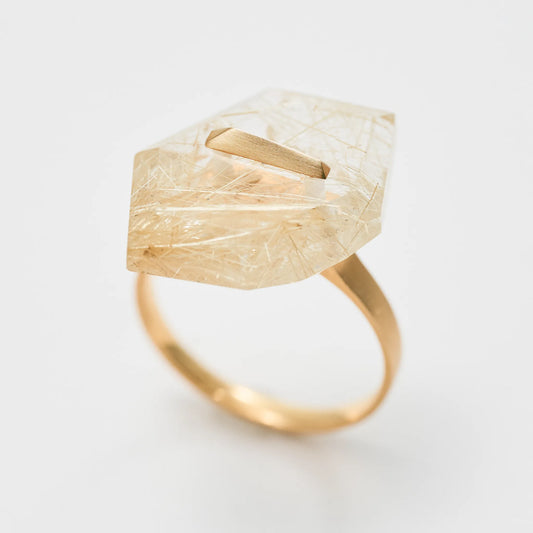
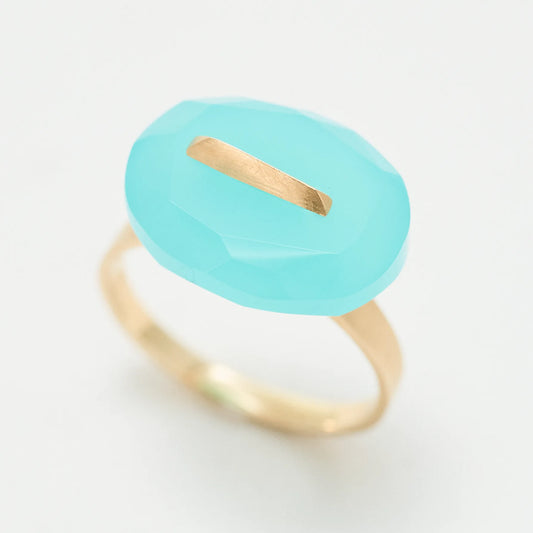
The “Staple” collection moves away from the premise of enclosing the stone and toward a structure that supports it through and through.

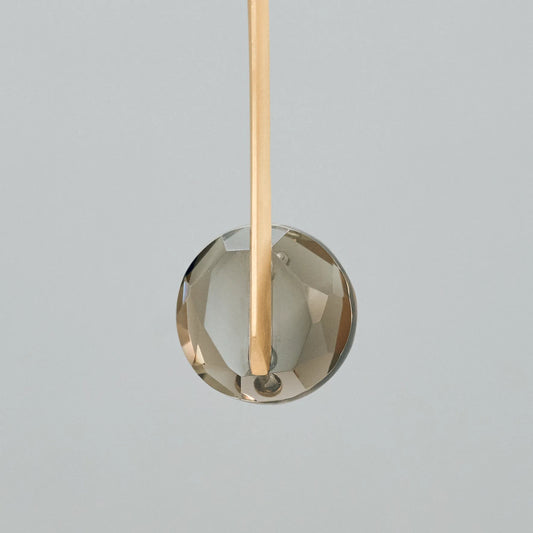
The “Node” collection seeks a structure that can hold its balance while reducing supporting points to the absolute minimum.
Each takes a different approach, but they begin from the same place.
To bring out the expression within the stone as intact as possible. And to support it without compromising that expression.
These collections were born from an attempt to take on, as structure, the relationship between what nature creates and what humans craft.


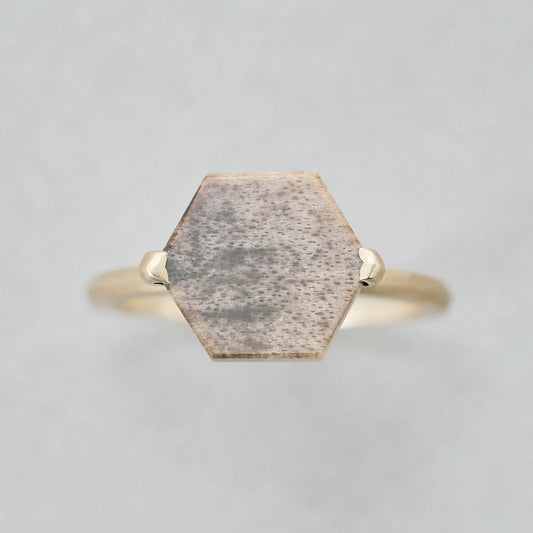

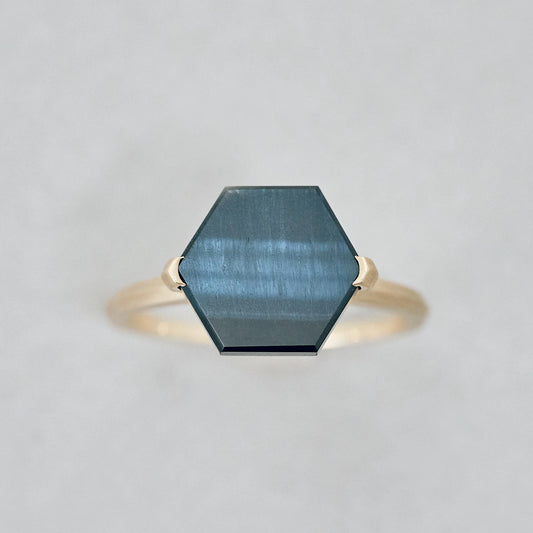


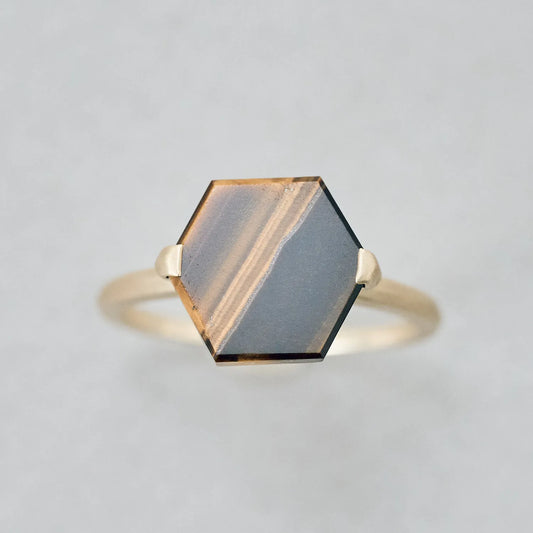

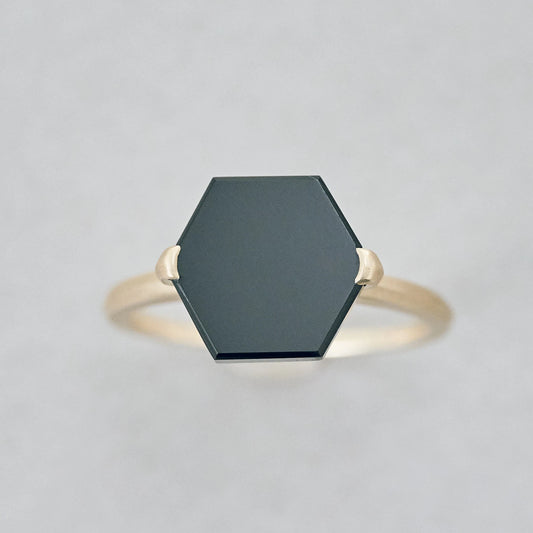

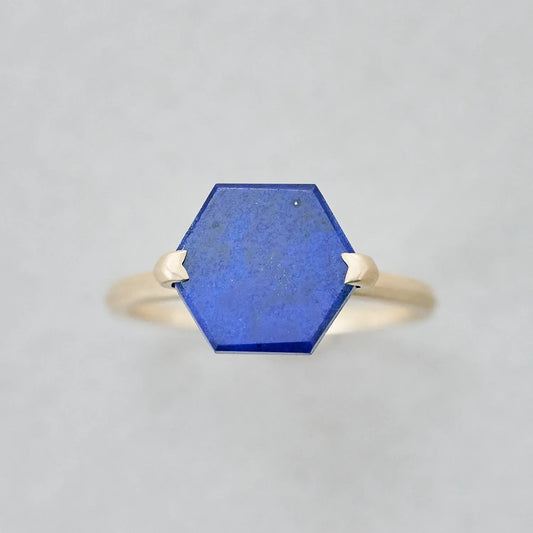

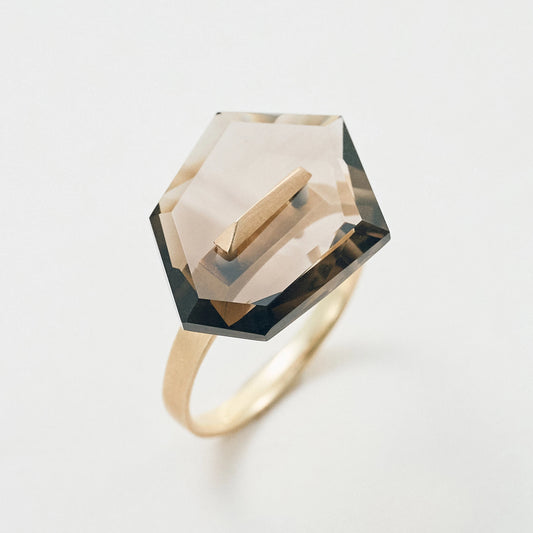
![[ Order ] Random Faceted Gemstone Ring_staple (Bi-Color Smoky Quartz)](http://cobaco.shop/cdn/shop/files/20250831_staple_add0128_a89f4a1d-9769-49d2-9a8f-4f1e2c73c0e5.webp?v=1760169461&width=533)
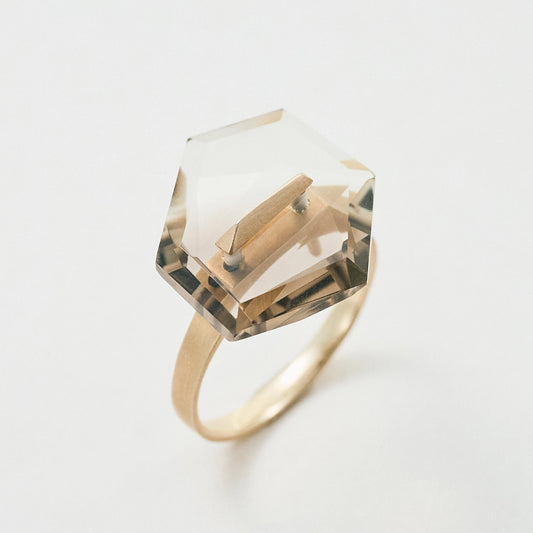
![[ Order ] Random Faceted Gemstone Ring_staple (Bicolor Smoky Quartz)](http://cobaco.shop/cdn/shop/files/20251006_staple_add0053.webp?v=1759999838&width=533)
![[ Order ] Random Faceted Gemstone Ring_staple(Dendrite Agate)](http://cobaco.shop/cdn/shop/files/20250112_staple_add0016.webp?v=1737361087&width=533)
![[ Order ] Random Faceted Gemstone Ring_staple(Dendrite Agate)](http://cobaco.shop/cdn/shop/files/20241005_staple_dendrite0007.webp?v=1729218798&width=533)
![[ Order ] Random Faceted Gemstone Ring_staple (Dendrite Agate)](http://cobaco.shop/cdn/shop/files/stapleR_dendrite2_01.webp?v=1713691922&width=533)


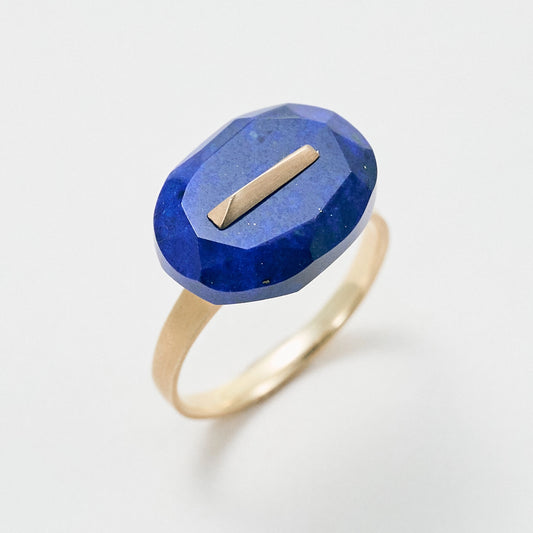
![[ Order ] Oval Faceted Gemstone Ring_staple(Lapis Lazuli)](http://cobaco.shop/cdn/shop/files/20250831_staple_add0150.webp?v=1765522965&width=533)
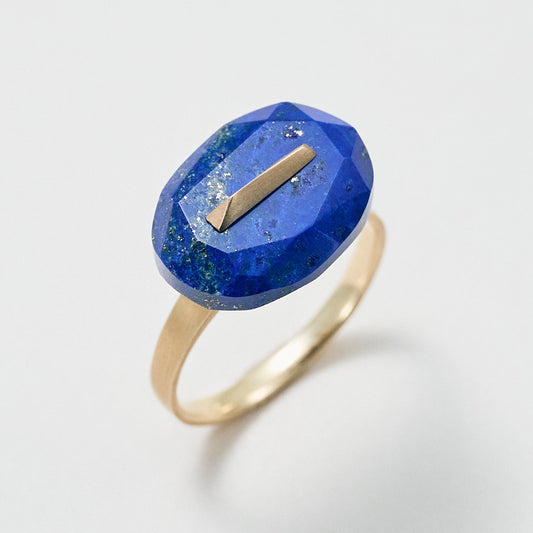
![[ Order ] Oval Faceted Gemstone Ring_staple(Rutile Quartz)](http://cobaco.shop/cdn/shop/files/20250426_staple_oval0010.webp?v=1746155451&width=533)
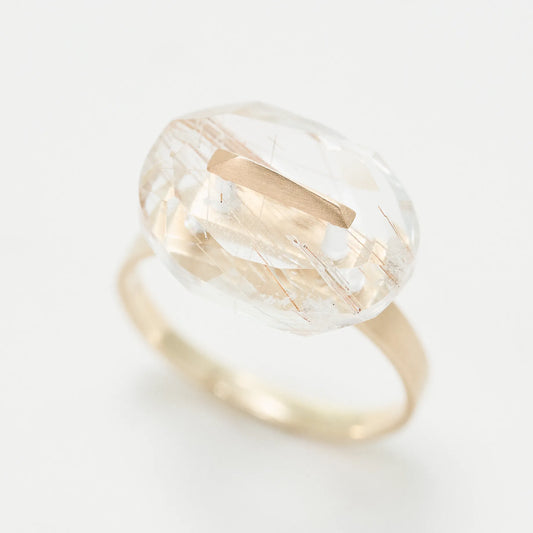

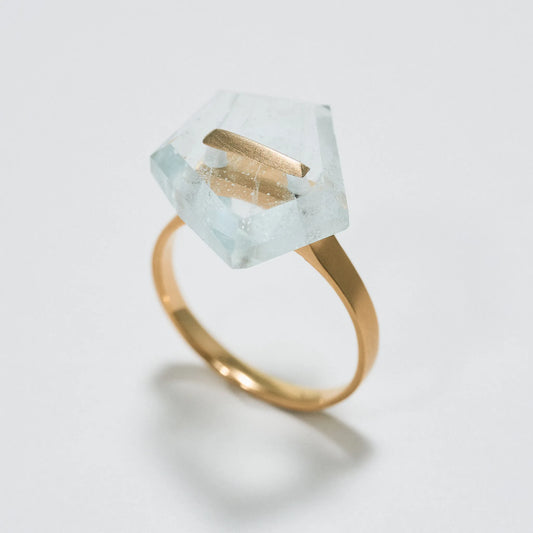
![[ Order ] Random Faceted Gemstone Ring_staple (Hawk's Eye)](http://cobaco.shop/cdn/shop/files/20250112_staple_add0019_6e2b2687-4693-4739-8d6e-48d29c9fb5d0.webp?v=1737361128&width=533)

![[ Order ] Random Faceted Gemstone Ring_staple(Mother of Pearl)](http://cobaco.shop/cdn/shop/files/20250831_staple_add0134.webp?v=1765527865&width=533)
![[ Order ] Random Faceted Gemstone Ring_staple (Rutile Quartz)](http://cobaco.shop/cdn/shop/files/20241005_staple_rutileQ0004.webp?v=1729219333&width=533)
![[ Order ] Random Faceted Gemstone Ring_staple (Rutilated Quartz)](http://cobaco.shop/cdn/shop/files/20250112_staple_add0015.webp?v=1737361194&width=533)
![[ Order ] Oval Faceted Gemstone Ring_staple(Sea Blue Chalcedony)](http://cobaco.shop/cdn/shop/files/20250426_staple_oval0015.webp?v=1746154974&width=533)
![[ Order ] Random Faceted Gemstone Ring_staple (Sea Blue Chalcedony)](http://cobaco.shop/cdn/shop/files/20250412_staple_add0008.webp?v=1744525729&width=533)