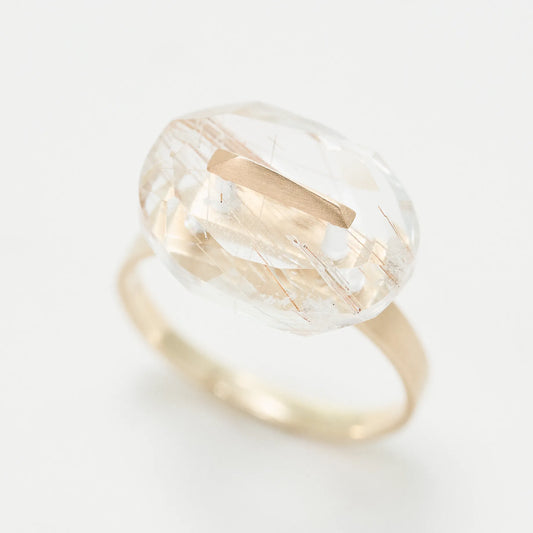
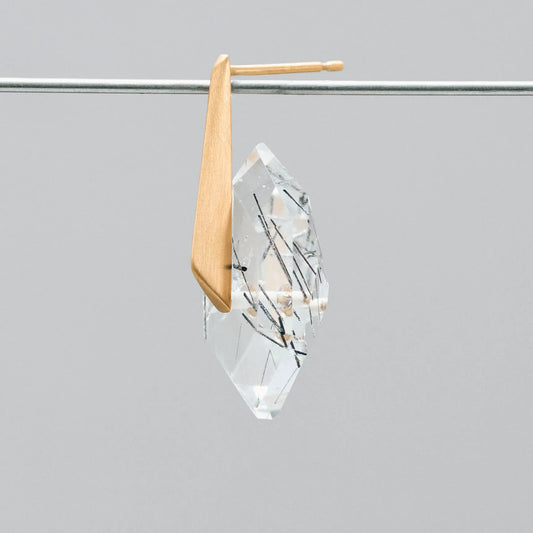
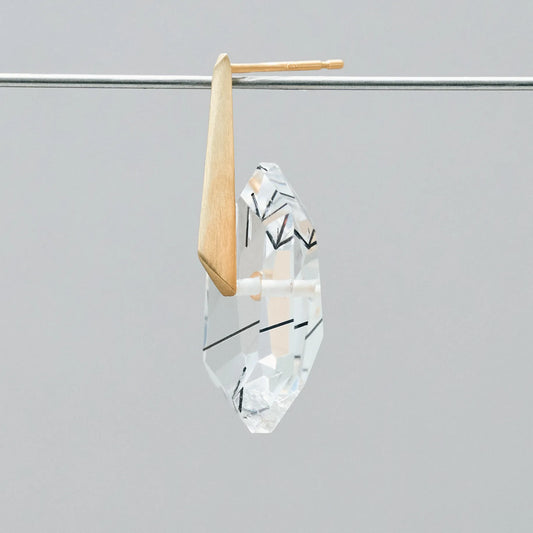
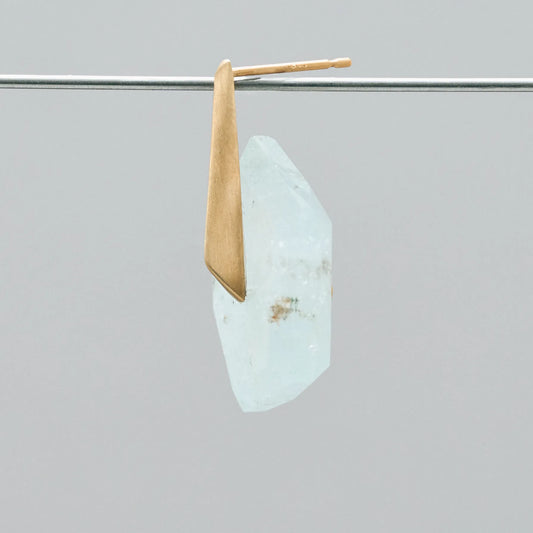
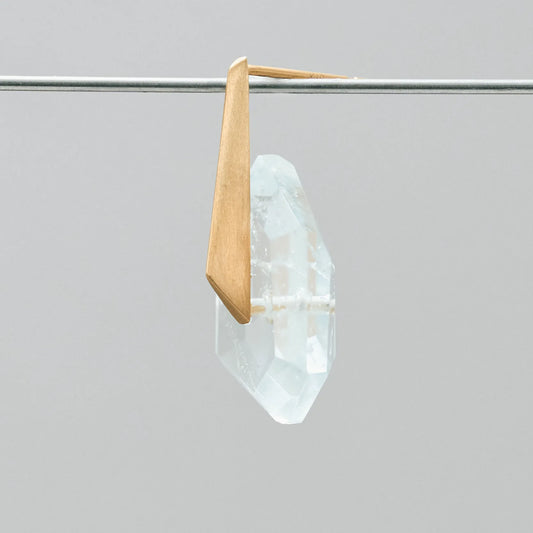
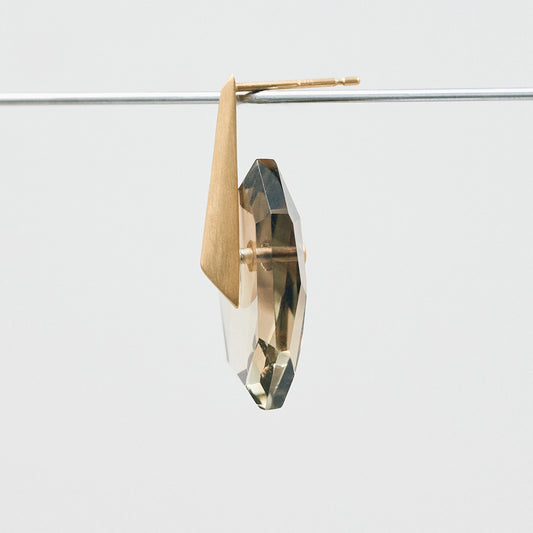
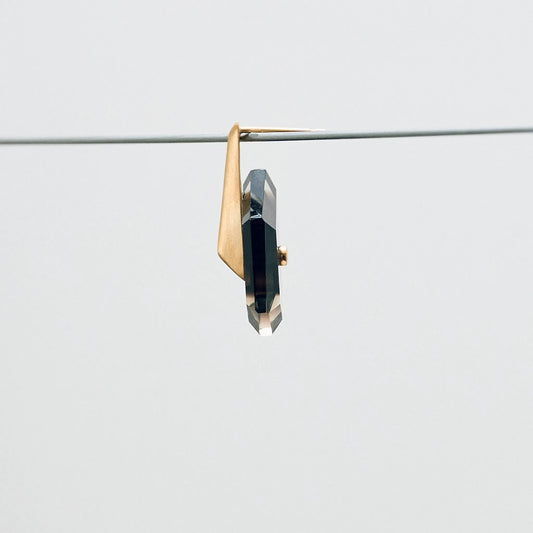
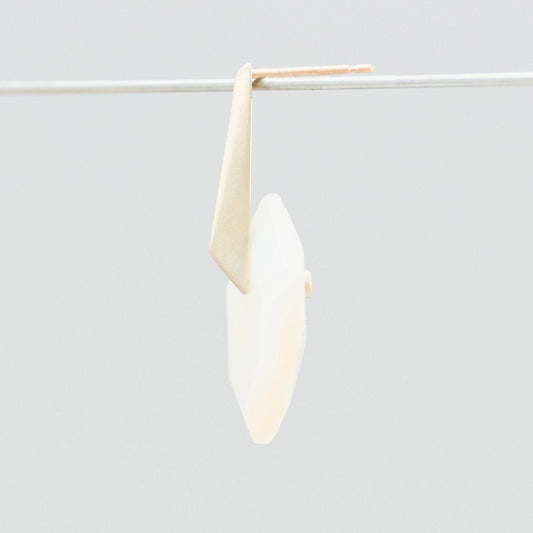
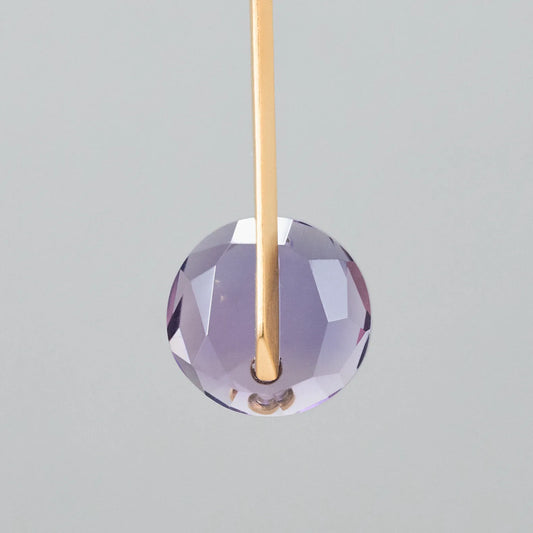
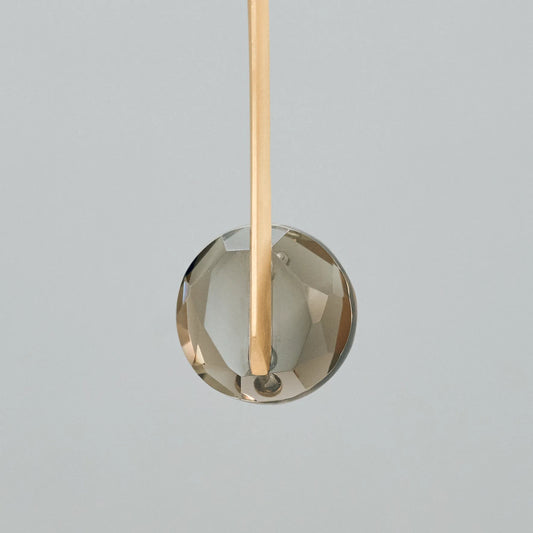
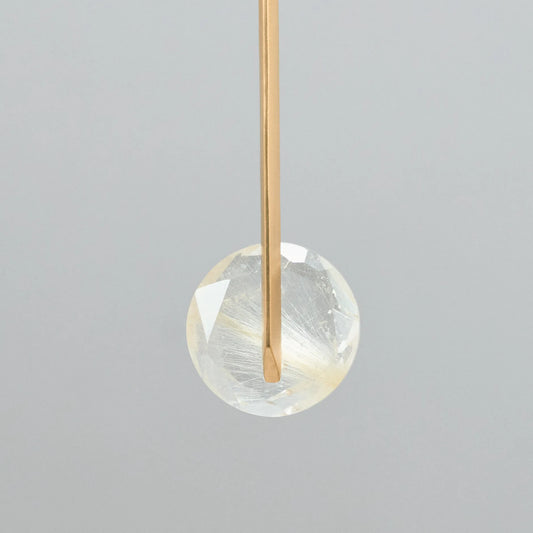
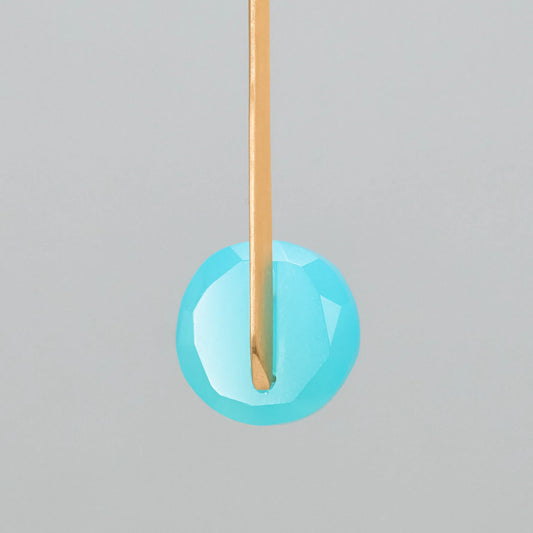
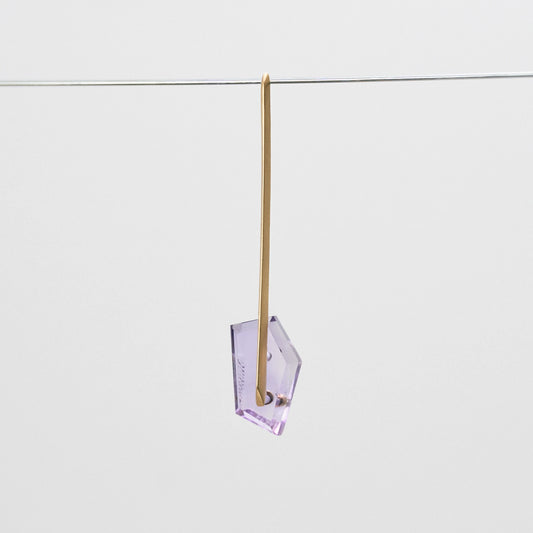
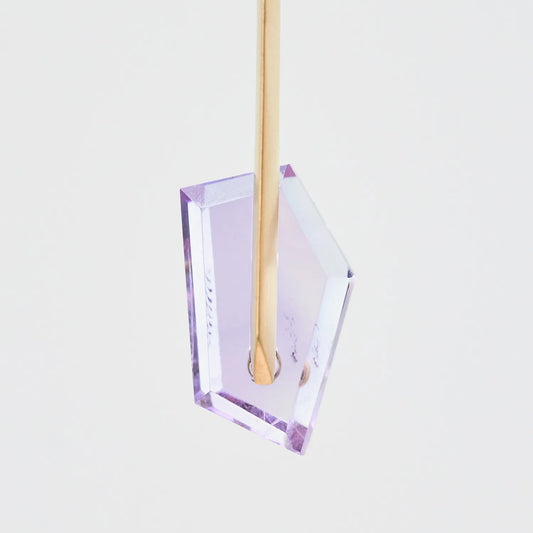
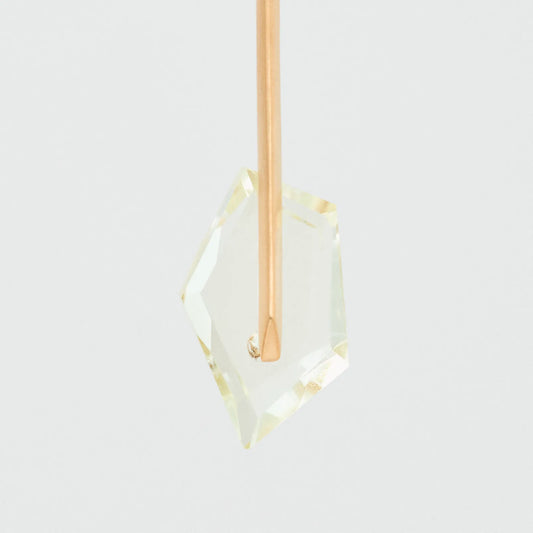
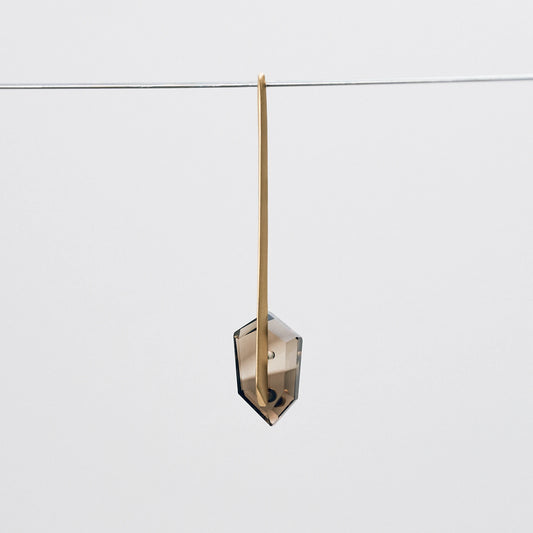
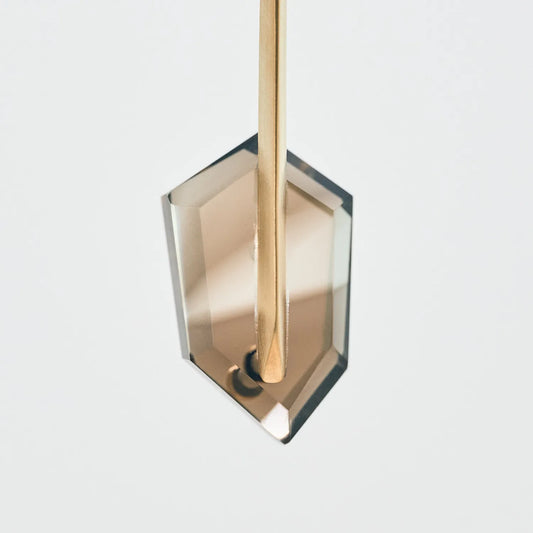
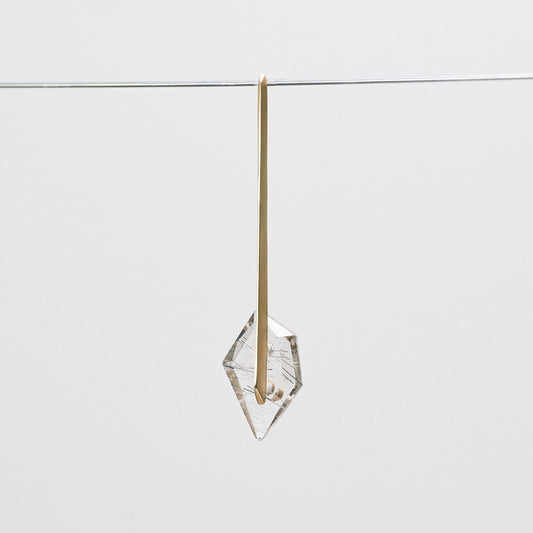
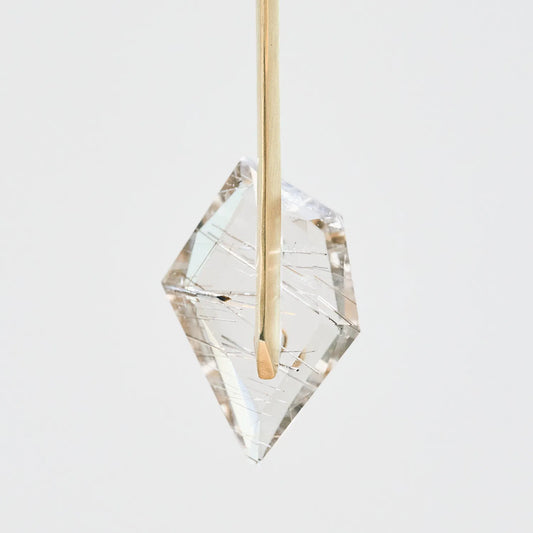
Set the stone.
In jewelry making, this is a very standard process. However, at the same time, it also limits the shape of the stone.

For example, a "bezel setting," in which a stone is encircled with metal. It is a rational structure that securely holds the stone in place, but at the same time, the stone must be shaped to fit that frame. The stone is made to fit within a predetermined outline. I wondered whether that relationship could be changed, even just a little.
I want to work with the shape of stone more freely.
'Staple' began with that idea.
Architectural materials that inspired the design

The starting point for the idea was a tool used in architecture called a "kasugai." It is used to connect two components with the simplest possible structure.
Rather than enclosing it, support it all the way through. Applying that idea to stone setting revealed a structure that preserves the stone’s natural outline.
The Reality of Making Two Holes

To achieve a structure that preserves the stone’s natural outline as it is, two holes must be drilled through the center of the stone. It sounds simple enough, but the actual process is extremely delicate and difficult. The two holes must be perpendicular to the stone’s table surface and precisely parallel to each other. Even the slightest misalignment will prevent the parts from passing through straight, making it impossible for the piece to function as jewelry.
With ordinary hole-punching machines, the opening of the hole during processing is covered by abrasive material spread into a muddy paste, making it almost impossible to see. The work has to be done relying only on the feel of the hands, so precise hole punching is extremely difficult. For that reason, the workshop uses a hole-punching machine dedicated to Staple, and the artisans carry out the work.


Using a drill with a diamond-particle-coated tip, carefully shave away the stone. However, this process is not straightforward either.
The stones used in Staple have random shapes.Normally, when drilling, the stone is secured in place, but because of its shape, it is difficult to fix with tools, so the craftsman must support it by hand during the process.

Once a few millimeters are shaved off, the staple-shaped connector is inserted to check the angle and position. By repeating this process over and over, the precision of the two holes is brought into alignment.

As machining progresses, the tip of the drill also wears down. To maintain accuracy, the bit must be replaced each time.

Once an extraordinary amount of time and effort has gone into it, a single stone finally ends up with two parallel holes running through it.
A structure that frees the shape of the stone

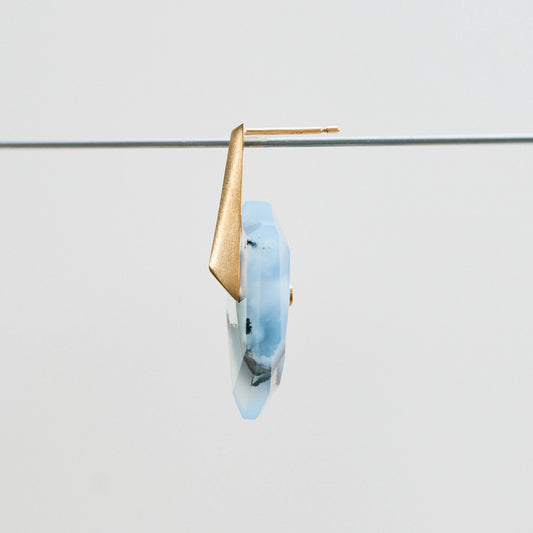
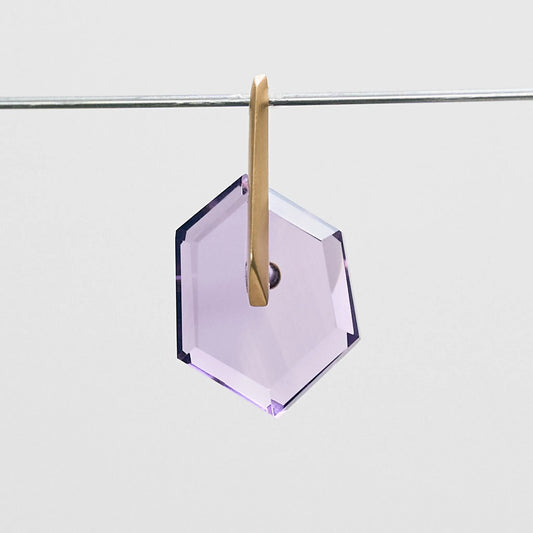
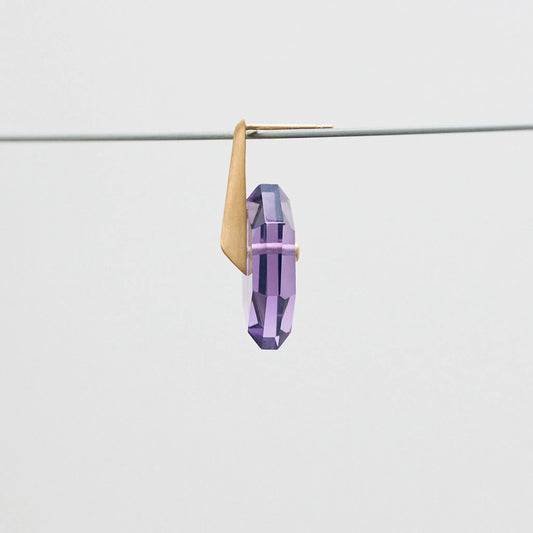
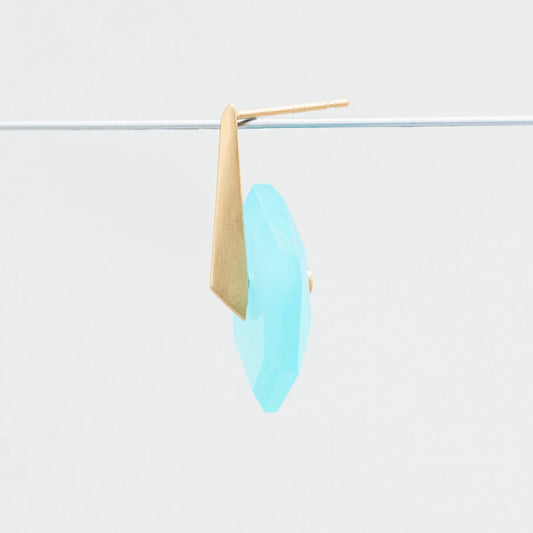
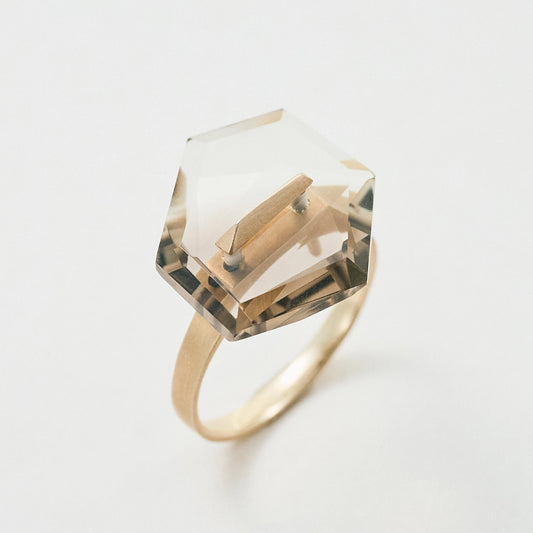
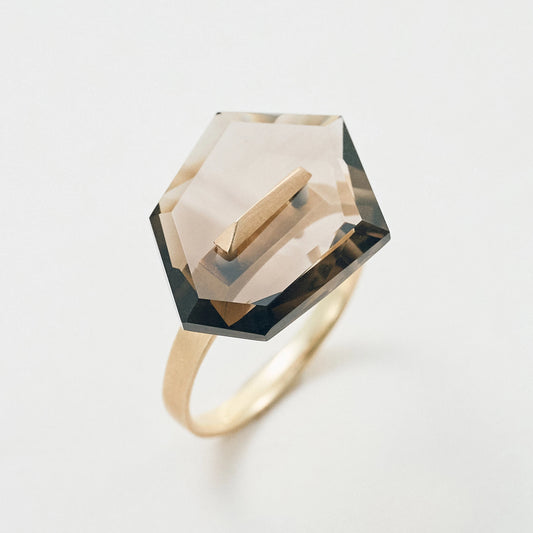
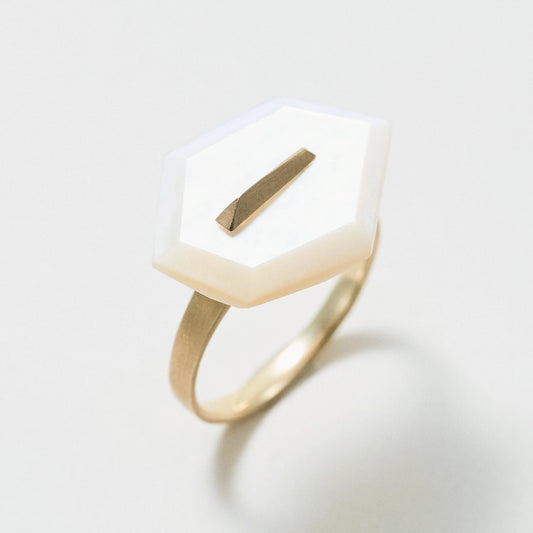
The finished stone is supported by passing staple-shaped connector parts through it, rather than being set in a metal frame. This difference greatly changes how it looks.
The outline remains intact, and the expression within is never obscured. The subtle variations created by hand polishing are preserved as they are. By changing the structure, the very way the stone exists is transformed.
Design the jewelry’s structure itself to fit the stone, rather than forcing the stone to conform to preexisting constraints.
The "Staple" collection was created for that very purpose.
-

Node
A hexagonal natural stone secured with only two prongs
The "Node" collection.
Focus on the "nodal points" where forces gather and form takes shape.
The natural stone is supported with a minimal structure.
By stripping away the structure, what emerges
The beauty of form in quiet balance.
![[ Order ] Random Faceted Gemstone Ring_staple (Bicolor Smoky Quartz)](http://cobaco.shop/cdn/shop/files/20251006_staple_add0053.webp?v=1759999838&width=533)
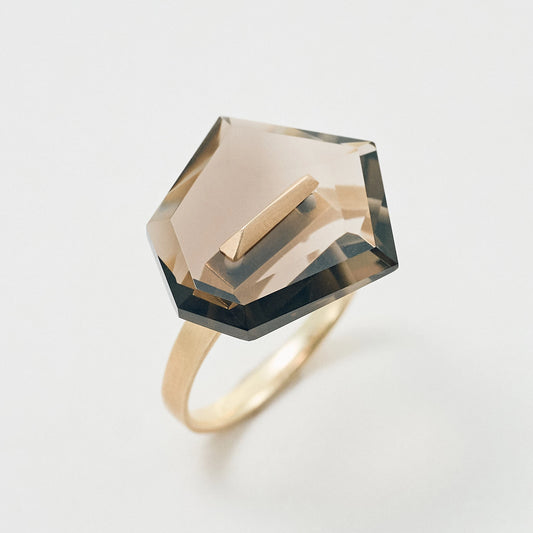
![[ Order ] Random Faceted Gemstone Ring_staple (Bi-Color Smoky Quartz)](http://cobaco.shop/cdn/shop/files/20250831_staple_add0128_a89f4a1d-9769-49d2-9a8f-4f1e2c73c0e5.webp?v=1760169461&width=533)


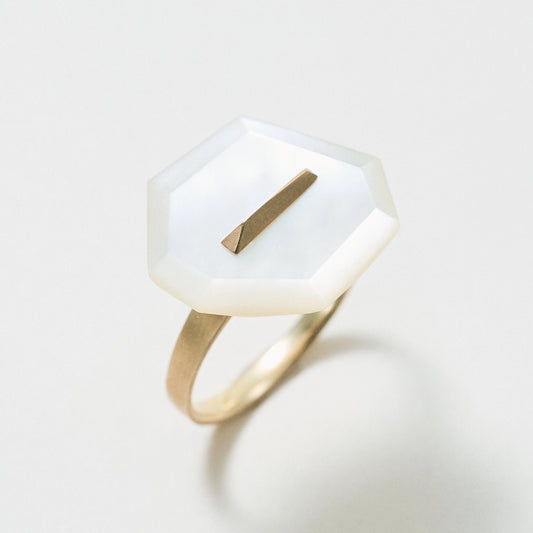
![[ Order ] Random Faceted Gemstone Ring_staple(Mother of Pearl)](http://cobaco.shop/cdn/shop/files/20250831_staple_add0134.webp?v=1765527865&width=533)

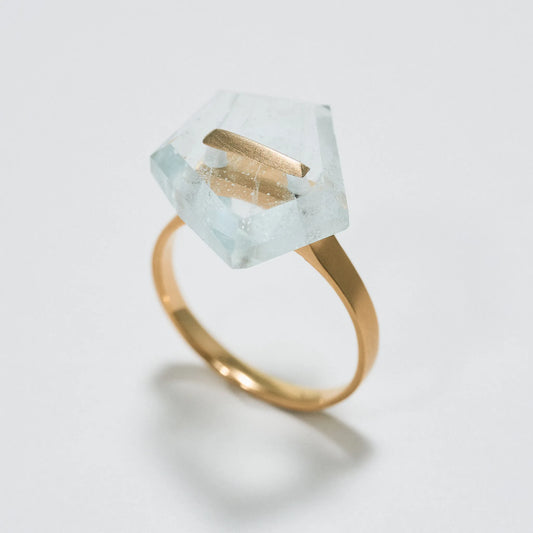
![[ Order ] Random Faceted Gemstone Ring_staple (Rutilated Quartz)](http://cobaco.shop/cdn/shop/files/20250112_staple_add0015.webp?v=1737361194&width=533)
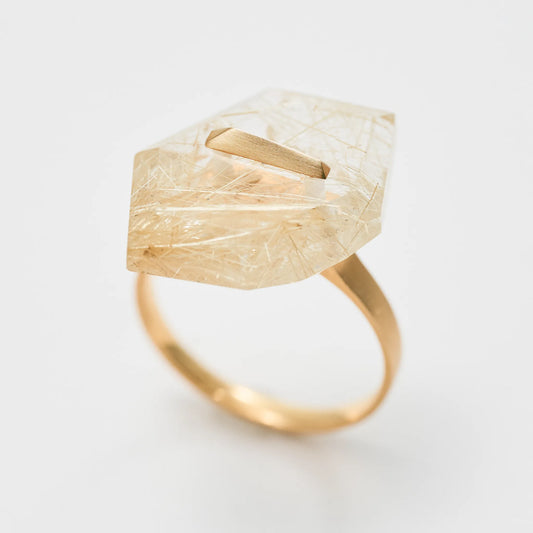
![[ Order ] Oval Faceted Gemstone Ring_staple (Bicolor Smoky Quartz)](http://cobaco.shop/cdn/shop/files/20250831_staple_add0146.webp?v=1759553892&width=533)
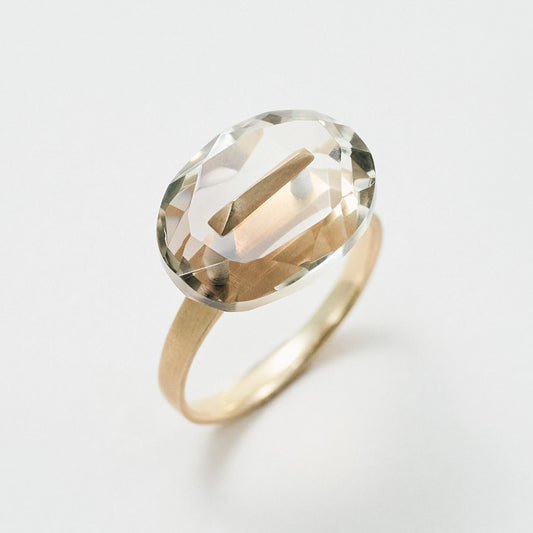
![[ Order ] Random Faceted Gemstone Ring_staple(Dendrite Agate)](http://cobaco.shop/cdn/shop/files/20241005_staple_dendrite0007.webp?v=1729218798&width=533)
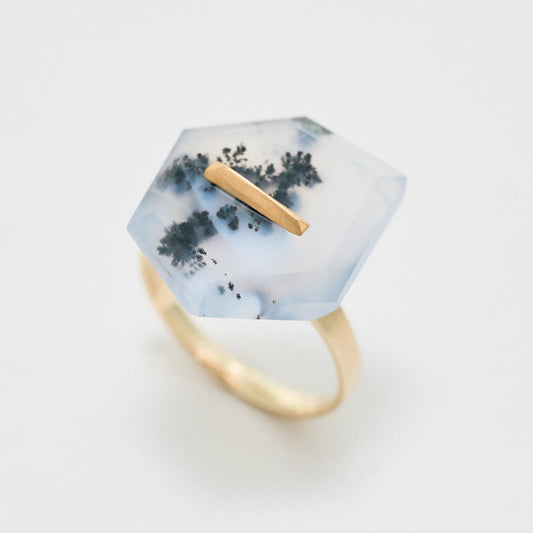
![[ Order ] Random Faceted Gemstone Ring_staple (Dendrite Agate)](http://cobaco.shop/cdn/shop/files/stapleR_dendrite2_01.webp?v=1713691922&width=533)
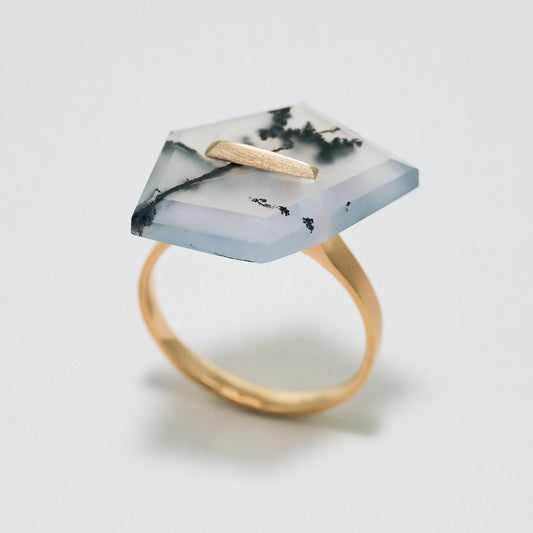
![[ Order ] Random Faceted Gemstone Ring_staple(Dendrite Agate)](http://cobaco.shop/cdn/shop/files/20250112_staple_add0016.webp?v=1737361087&width=533)
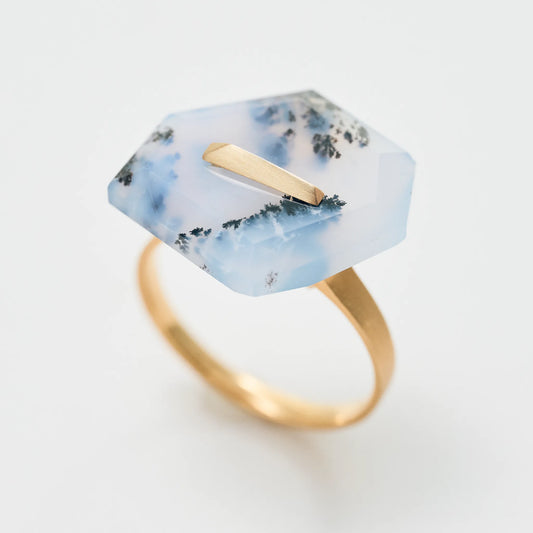
![[ Order ] Random Faceted Gemstone Ring_staple (Sea Blue Chalcedony)](http://cobaco.shop/cdn/shop/files/20250412_staple_add0008.webp?v=1744525729&width=533)
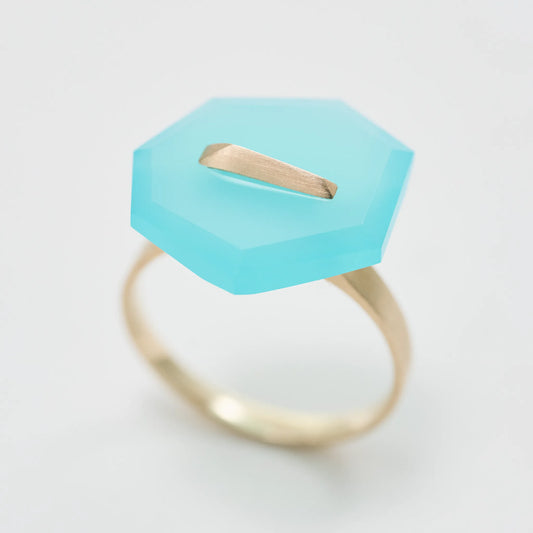
![[ Order ] Random Faceted Gemstone Ring_staple (Hawk's Eye)](http://cobaco.shop/cdn/shop/files/20250112_staple_add0019_6e2b2687-4693-4739-8d6e-48d29c9fb5d0.webp?v=1737361128&width=533)
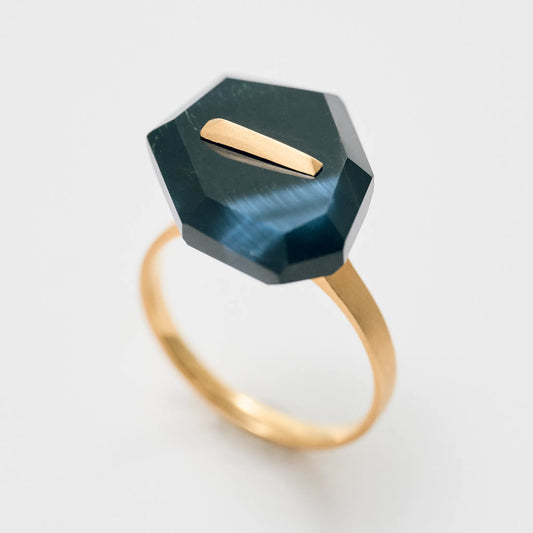


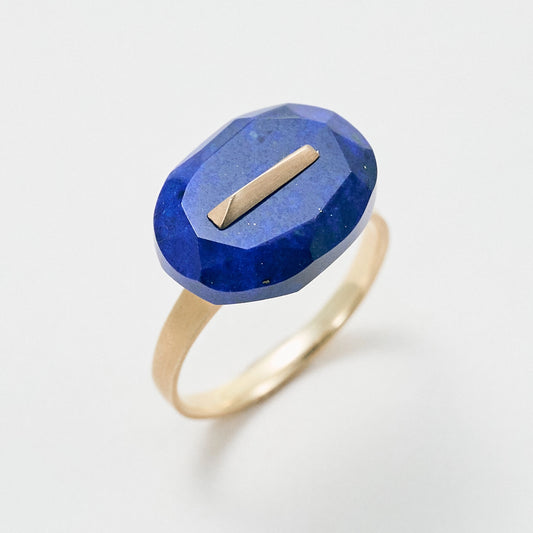
![[ Order ] Oval Faceted Gemstone Ring_staple(Lapis Lazuli)](http://cobaco.shop/cdn/shop/files/20250831_staple_add0150.webp?v=1765522965&width=533)
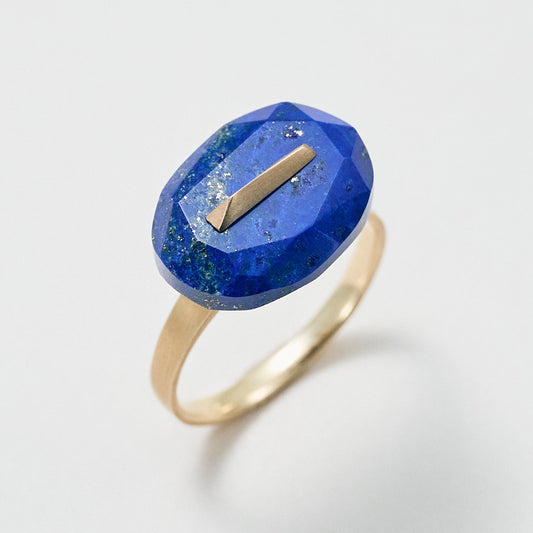
![[ Order ] Oval Faceted Gemstone Ring_staple(Sea Blue Chalcedony)](http://cobaco.shop/cdn/shop/files/20250426_staple_oval0015.webp?v=1746154974&width=533)
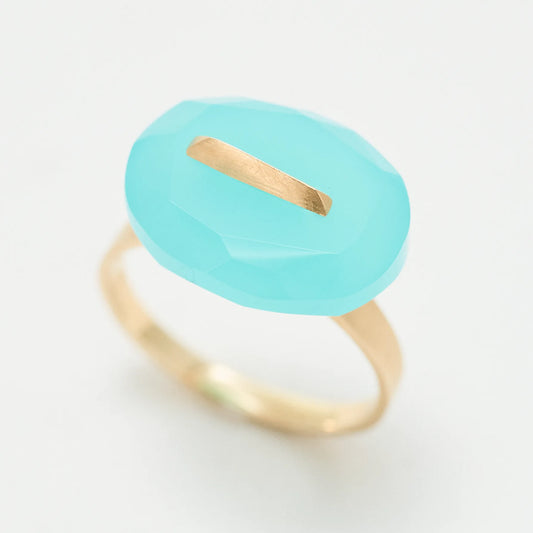
![[ Order ] Oval Faceted Gemstone Ring_staple(Rutile Quartz)](http://cobaco.shop/cdn/shop/files/20250426_staple_oval0010.webp?v=1746155451&width=533)