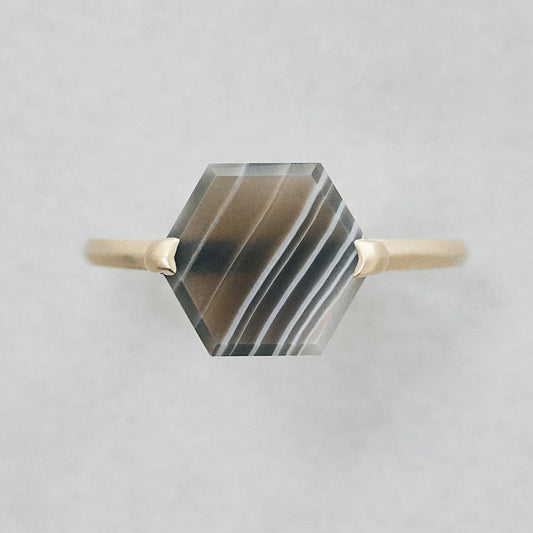
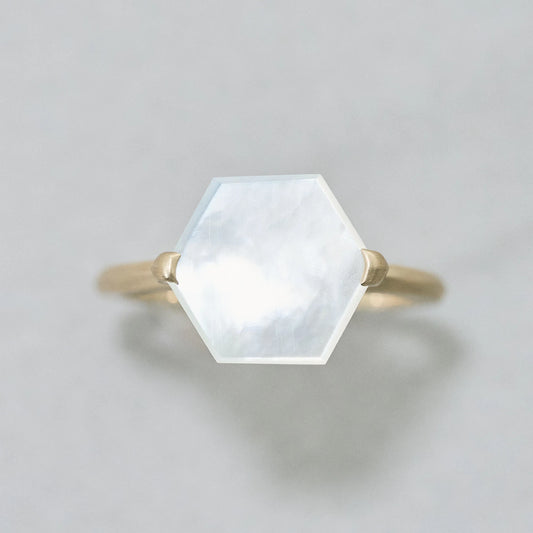
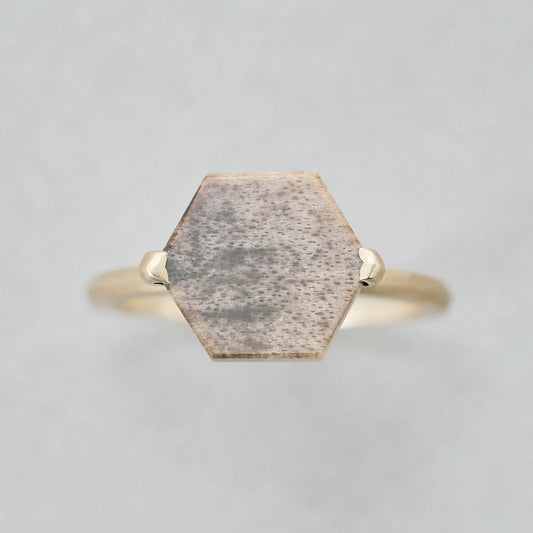
Mother of pearl refers to the lustrous inner layer of shell that produces pearls. It was given this name because it is the “mother” of the pearl itself. Found mainly in bivalves such as Akoya oysters and white-lipped oysters, it is known for its iridescent sheen. Since ancient times, it has been used in jewelry and decorative arts, cherished not only for its soft glow but also as a symbol of मातृत्व and protection. Another part of its appeal is that each piece has its own unique expression.

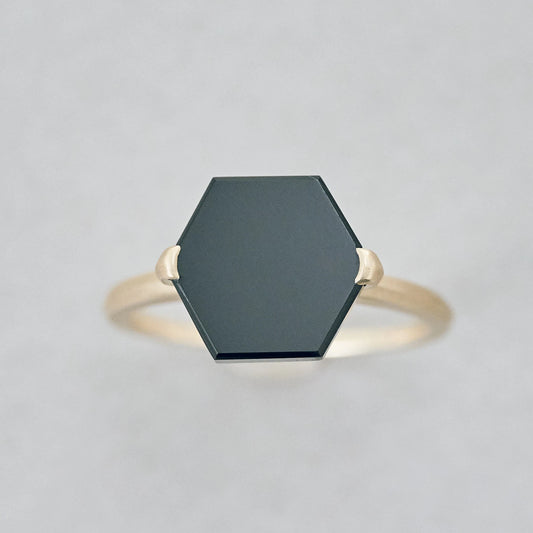
Onyx derives its name from the ancient Greek word meaning “fingernail” (= onyx). The black-and-white layers of onyx were said to resemble the marks left by scratching with a nail. Originally, the term referred to stones with “white stripes,” but through various twists and turns, in Japan today it is commonly used to refer to jet-black chalcedony, called black onyx (often abbreviated simply to onyx).

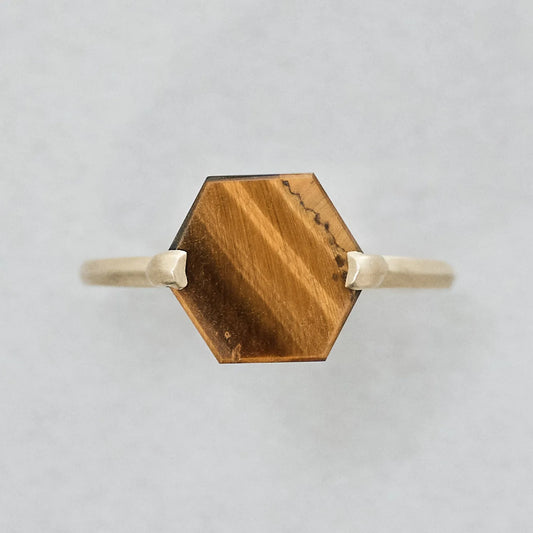
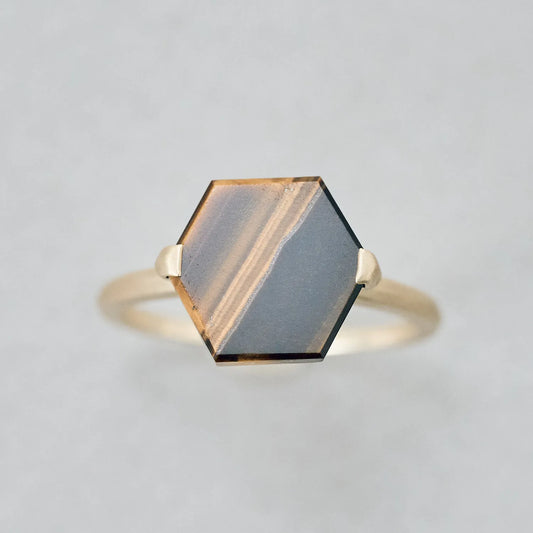
Tiger’s Eye features striped patterns like a tiger’s eye and a distinctive optical effect in which the light seems to glide across the surface. This natural gemstone is formed when fibrous minerals are replaced by quartz, and since ancient times it has been cherished as “the stone that sees through everything,” used as a talisman for travel and as a protective charm. Its rich colors shift from golden yellow to reddish brown, while the light across it shimmers gently. Each piece holds an organic landscape created by nature.

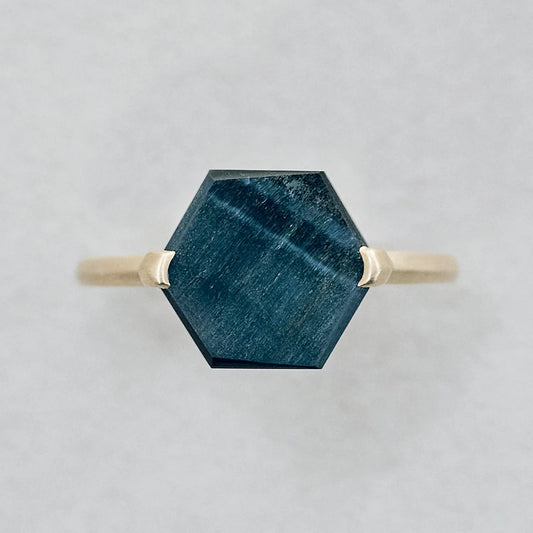
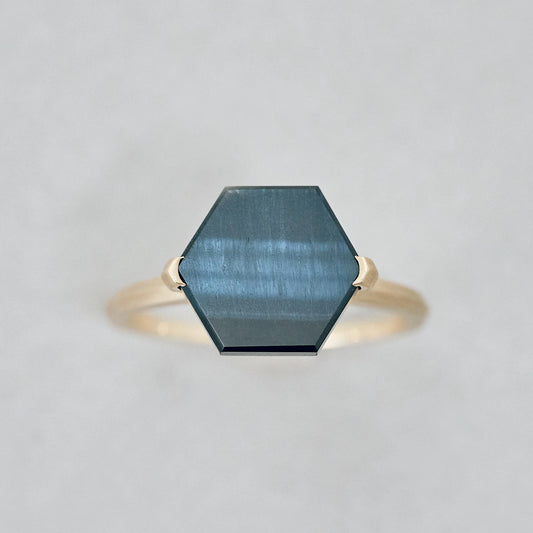
As its name suggests, Hawk's Eye is a beautiful natural stone with a sharp, deep blue luster reminiscent of a hawk's eye. It shows different expressions depending on the angle, including grayish-blue lines appearing across its surface. In ancient Egypt and Rome, it was highly valued as a talisman for warding off evil and offering protection.

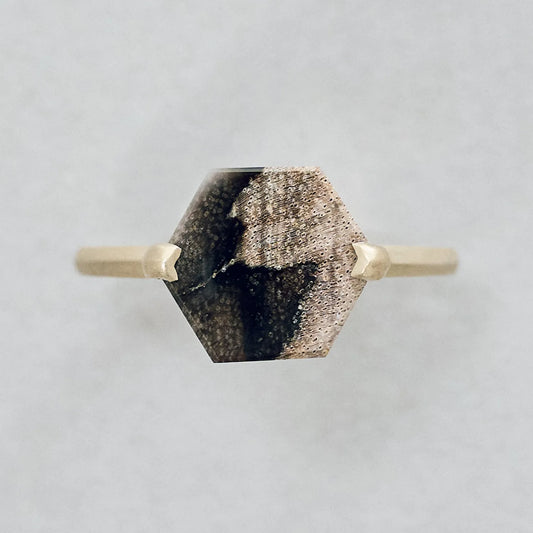
Petrified wood is ancient timber that has fossilized over an immense span of time. It is a natural stone formed when wood buried underground is gradually replaced by minerals carried in groundwater. Its distinctive feature is that it retains patterns resembling wood grain and growth rings while possessing the hardness of stone. Bearing the traces of tens of millions of years, its quiet landscape is truly one of a kind. With its gentle, earth-like tones, it has long been cherished as a symbol of longevity and stability.


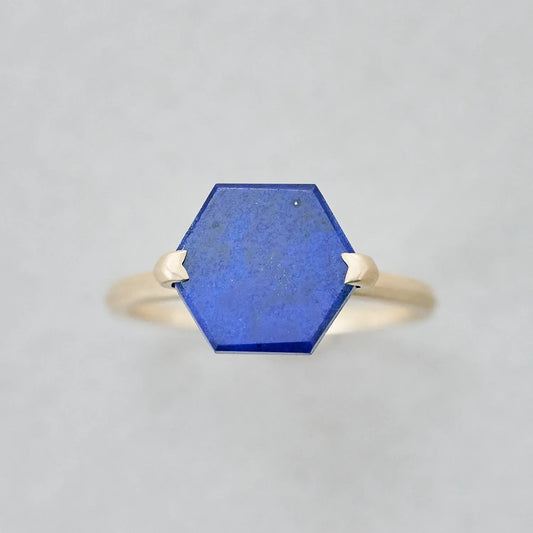
Lapis lazuli, a striking stone known for its deep azure blue, takes its name from the Latin word for "stone" (lapis) and the Arabic word for "blue" (azul). In ancient Mesopotamia and Egypt, it was prized as a "sacred stone" and was even used in Tutankhamun's mask. Its blue color comes mainly from the mineral lazurite, and sparkling golden pyrite can sometimes appear like stars. Its mysterious appearance, as if the night sky were captured within it, has captivated people since ancient times.

-
Node
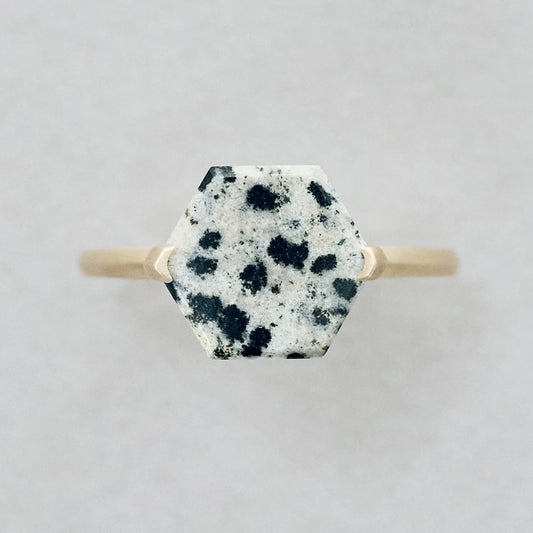
A hexagonal natural stone held in place by only two prongs
Collection "Node".
Focuses on the "node" where forces gather and form takes shape.
We used the minimum necessary structure to support the natural stone.
The emergence that comes from stripping away structure
The beauty of a form in quiet balance.